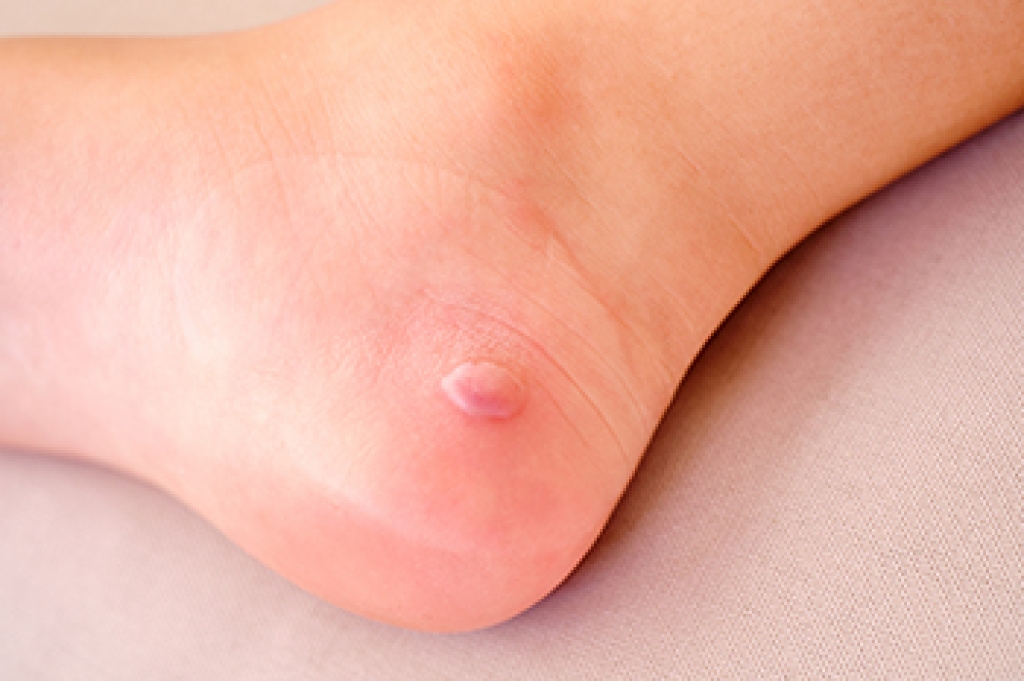
Are you frustrated by plantar warts? Plantar warts are commonly found on the soles of the feet or other areas that bear weight. They form due to exposure to the human papillomavirus (HPV). Effectively treat plantar warts with Swift, an FDA-cleared technology that has proven to be highly effective in the removal of plantar warts.
Ganglion cysts are fluid filled lumps that often form near joints or tendons in the foot or ankle. They develop when joint fluid leaks out and becomes trapped in a small sac, often due to irritation, overuse, injury, or changes in joint mechanics. Some cysts cause no symptoms, while others lead to aching pain, pressure, or nerve irritation, especially when shoes rub against the area. Treatment depends on discomfort and location. Options include monitoring the cyst, modifying footwear, or using padding to reduce pressure. If symptoms persist, a podiatrist may drain the cyst or recommend a minor procedure to remove it and reduce recurrence. A podiatrist can also evaluate foot structure and movement patterns that may contribute to cyst formation, helping improve comfort, mobility, and long-term foot health. If you think you might have a ganglion cyst, it is suggested that you see a podiatrist for a proper diagnosis and treatment.
Foot Pain
Foot pain can be extremely painful and debilitating. If you have a foot pain, consult with one of our podiatrists from Nashville Family Foot Care. Our practitioners will assess your condition and provide you with quality foot and ankle treatment.
Causes
Foot pain is a very broad condition that could be caused by one or more ailments. The most common include:
Bunions
Hammertoes
Plantar Fasciitis
Bone Spurs
Corns
Tarsal Tunnel Syndrome
Ingrown Toenails
Arthritis (such as Gout, Rheumatoid, and Osteoarthritis)
To figure out the cause of foot pain, podiatrists utilize several different methods. This can range from simple visual inspections and sensation tests to X-rays and MRI scans. Prior medical history, family medical history, and any recent physical traumatic events will all be taken into consideration for a proper diagnosis.
Treatment
Treatment depends upon the cause of the foot pain. Whether it is resting, staying off the foot, or having surgery; podiatrists have a number of treatment options available for foot pain.
If you have any questions, please feel free to contact our office located in Nashville, TN. We offer the newest diagnostic and treatment technologies for all your foot care needs.
Heel pain occurs when the tissues surrounding the heel become irritated or inflamed. It often appears as a sharp or aching sensation when walking or standing, and may worsen after periods of rest. Several risk factors increase the likelihood of heel pain, including middle age, physically active lifestyles, excess body weight, pregnancy, and occupations that require standing for long periods of time. Wearing poorly fitted shoes with limited cushioning or support can also place stress on the heel. Direct injury or repeated strain to the heel area may further contribute to discomfort. A podiatrist can evaluate the cause, recommend supportive footwear, and provide treatments that relieve pain. If you have heel pain, it is suggested that you promptly consult a podiatrist who can offer effective relief and treatment solutions.
Many people suffer from bouts of heel pain. For more information, contact one of our podiatrists of Nashville Family Foot Care. Our practitioners can provide the care you need to keep you pain-free and on your feet.
Causes of Heel Pain
Heel pain is often associated with plantar fasciitis. The plantar fascia is a band of tissues that extends along the bottom of the foot. A rip or tear in this ligament can cause inflammation of the tissue.
Achilles tendonitis is another cause of heel pain. Inflammation of the Achilles tendon will cause pain from fractures and muscle tearing. Lack of flexibility is also another symptom.
Heel spurs are another cause of pain. When the tissues of the plantar fascia undergo a great deal of stress, it can lead to ligament separation from the heel bone, causing heel spurs.
Why Might Heel Pain Occur?
Wearing ill-fitting shoes
Wearing non-supportive shoes
Weight change
Excessive running
Treatments
Heel pain should be treated as soon as possible for immediate results. Keeping your feet in a stress-free environment will help. If you suffer from Achilles tendonitis or plantar fasciitis, applying ice will reduce the swelling. Stretching before an exercise like running will help the muscles. Using all these tips will help make heel pain a condition of the past.
If you have any questions, please feel free to contact our office located in Nashville, TN. We offer the newest diagnostic and treatment technologies for all your foot care needs.
Cracked heels are common in cooler weather because cold air and indoor heating dry out the skin. The skin on the bottom of the heel is naturally thick to handle body weight and pressure. When it becomes too dry, it loses flexibility and can split. These splits, often called fissures, are deep cracks that may cause pain, bleeding, or infection. Standing for long periods, wearing open-backed shoes, and taking long, hot showers can make the problem worse. People with diabetes or poor circulation may have a harder time healing and can face more serious complications. A podiatrist can examine the heels, safely trim thick, hardened skin, and provide professional treatment that helps restore moisture and protect the skin. Early medical care can reduce pain and prevent infection. If you have cracked heels that cause pain, it is suggested that you make an appointment with a podiatrist for an exam, diagnosis, and safe treatment.
If the skin on your feet starts to crack, you may want to see a podiatrist to find treatment. If you have any concerns, contact one of our podiatrists from Nashville Family Foot Care. Our practitioners can provide the care you need to keep you pain-free and on your feet.
Cracked Heels
It is important to moisturize your cracked heels in order to prevent pain, bleeding, and infection. The reason cracked heels form is because the skin on the foot is too dry to support the immense pressure placed on them. When the foot expands, the dry skin on the foot begins to split.
Ways to Help Heal Them
Invest in a good foot cream
Try Using Petroleum Jelly
Ease up on Soaps
Drink Plenty of Water
Ways to Prevent Cracked Heels
Moisturize After Showering
Skip a Shower
Keep Shower Water Lukewarm
Don’t Scrub Your Feet
If you are unsure how to proceed in treating cracked heels, seek guidance from a podiatrist. Your doctor will help you with any questions or information you may need.
If you have any questions, please feel free to contact our office located in Nashville, TN. We offer the newest diagnostic and treatment technologies for all your foot care needs.
An ankle fracture occurs when one or more of the bones that form the joint break, usually after a sudden twist, fall, or direct impact. The lower ends of the tibia and fibula leg bones create the bony bumps on each side of the ankle, while the talus sits between them and allows smooth motion. Any of these structures can crack or separate during sports, slips, vehicle accidents, or other high-force injuries. Typical signs of a broken ankle include immediate pain, swelling, bruising, difficulty moving the joint, and trouble bearing weight, although some people can still stand despite a fracture. Deformity or visible bone indicates a severe injury that requires urgent care. A podiatrist evaluates the mechanism severity of the fracture, checks circulation and nerve function, and confirms the diagnosis with X-rays or other imaging tests. If you have symptoms of a broken ankle, it is suggested that you make an emergency appointment with a podiatrist for an exam, diagnosis, and treatment.