Nashville Family Foot Care PLLC on Facebook
Nashville Family Foot Care PLLC on Twitter
Leave Google Review for Nashville Family Foot Care PLLC

Ingrown Toenail Surgery

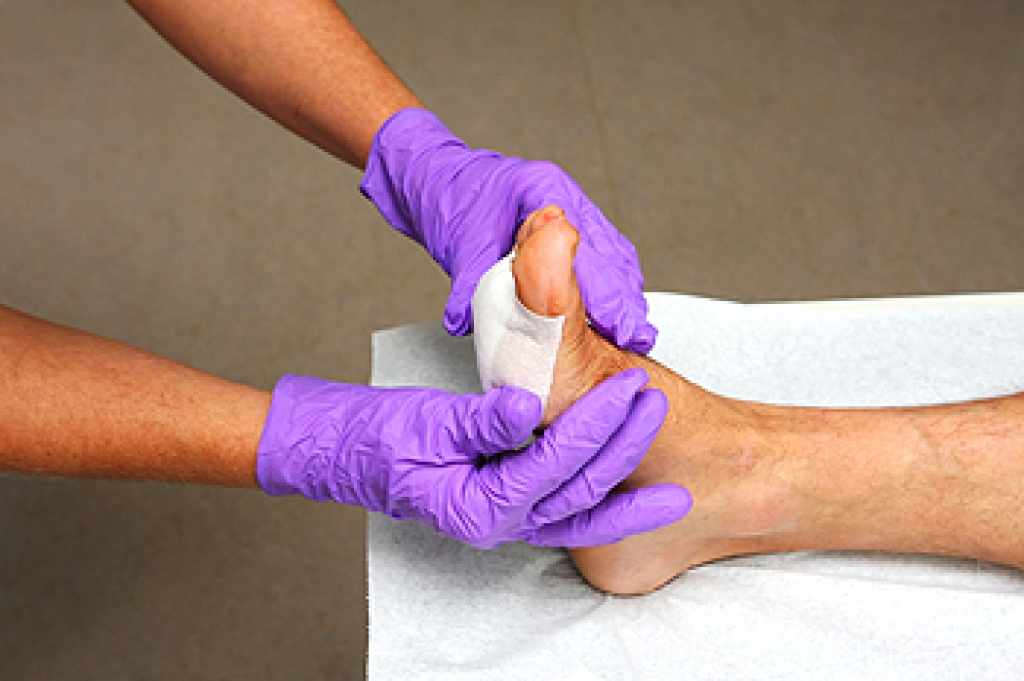
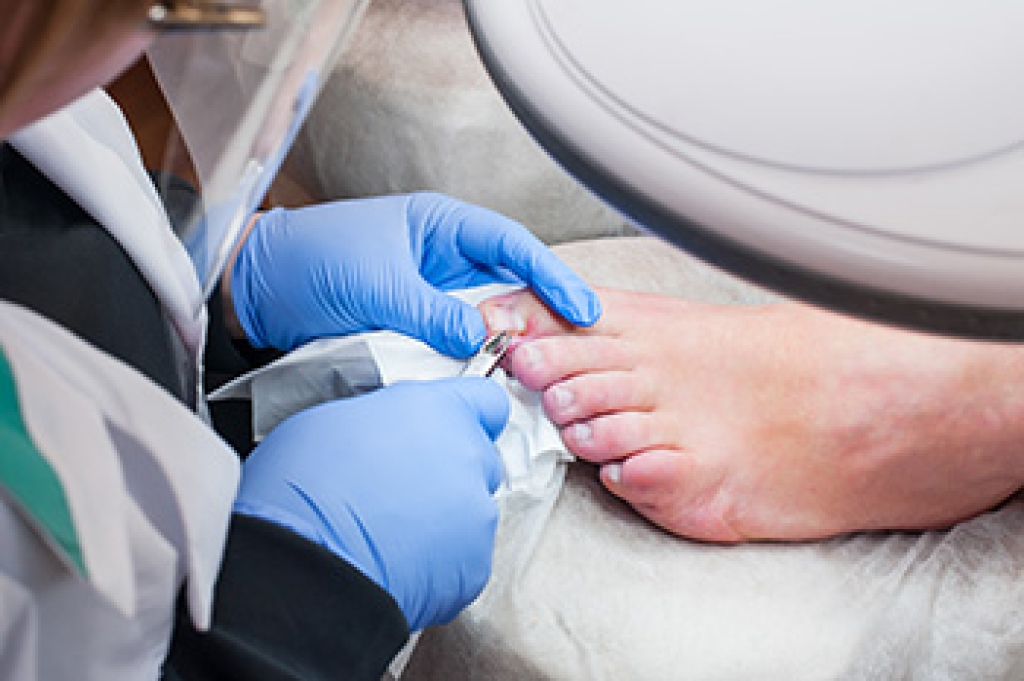
Ingrown toenail surgery, known as matricectomy, is a procedure used to treat recurring or painful ingrown toenails by removing part or all of the nail matrix to prevent regrowth. This condition occurs when the edge of the nail grows into the surrounding skin, causing pain, redness, swelling, and possible infection. Risk factors include improper nail trimming, wearing tight footwear, injury, and genetic nail shape. During the procedure, a podiatrist carefully removes the affected portion of the nail and applies a solution to stop it from growing back. This offers a long-term solution and relief from repeated issues. A podiatrist ensures safe treatment and proper healing. If you have an ingrown toenail that is uncomfortable or painful, it is suggested that you consult a podiatrist who can determine if this type of foot surgery is right for you. 

Ingrown toenails may initially present themselves as a minor discomfort, but they may progress into an infection in the skin without proper treatment. For more information about ingrown toenails, contact one of our podiatrists of Nashville Family Foot Care. Our practitioners can provide the care you need to keep you pain-free and on your feet.

Ingrown Toenails

Ingrown toenails are caused when the corner or side of a toenail grows into the soft flesh surrounding it. They often result in redness, swelling, pain, and in some cases, infection. This condition typically affects the big toe and may recur if it is not treated properly.

Causes

  • Improper toenail trimming
  • Genetics
  • Improper shoe fitting
  • Injury from pedicures or nail picking
  • Abnormal gait
  • Poor hygiene

You are more likely to develop an ingrown toenail if you are obese, have diabetes, arthritis, or have any fungal infection in your nails. Additionally, people who have foot or toe deformities are at a higher risk of developing an ingrown toenail.

Symptoms

Some symptoms of ingrown toenails are redness, swelling, and pain. In rare cases, there may be a yellowish drainage coming from the nail.

Treatment

Ignoring an ingrown toenail can have serious complications. Infections of the nail border can progress to a deeper soft-tissue infection, which can then turn into a bone infection. You should always speak with your podiatrist if you suspect you have an ingrown toenail, especially if you have diabetes or poor circulation.

If you have any questions, please feel free to contact our office located in Nashville, TN . We offer the newest diagnostic and treatment technologies for all your foot care needs.
Read more about Ingrown Toenail Care

Cold Feet and Circulation Problems

Cold feet can be more than discomfort as they often signal poor circulation or Raynaud's phenomenon. This condition involves restricted blood flow causing the toes to feel cold, numb or painful, and they can sometimes change color. Risk factors include smoking, diabetes, autoimmune disorders, and prolonged exposure to cold temperatures. Symptoms may worsen during stress or winter months, and can affect balance, skin health, and healing in the feet. Without proper care, complications like sores or infections may develop. A podiatrist can evaluate circulation, identify underlying causes, and recommend lifestyle changes, protective footwear, and therapies to improve blood flow. If your feet are consistently cold or have become discolored, it is suggested that you promptly consult a podiatrist who can effectively treat and manage what might be going on. 

Poor circulation is a serious condition and needs immediate medical attention. If you have any concerns with poor circulation in your feet contact one of our podiatrists of Nashville Family Foot Care. Our practitioners will treat your foot and ankle needs.

Poor Circulation in the Feet

Poor blood circulation in the feet and legs is can be caused by peripheral artery disease (PAD), which is the result of a buildup of plaque in the arteries.

Plaque buildup or atherosclerosis results from excess calcium and cholesterol in the bloodstream. This can restrict the amount of blood which can flow through the arteries. Poor blood circulation in the feet and legs are sometimes caused by inflammation in the blood vessels, known as vasculitis.

Causes

Lack of oxygen and oxygen from poor blood circulation restricts muscle growth and development. It can also cause:

  • Muscle pain, stiffness, or weakness 
  • Numbness or cramping in the legs
  • Skin discoloration
  • Slower nail & hair growth
  • Erectile dysfunction

Those who have diabetes or smoke are at greatest risk for poor circulation, as are those who are over 50. If you have poor circulation in the feet and legs it may be caused by PAD and is important to make changes to your lifestyle in order to reduce risk of getting a heart attack or stroke. Exercise and maintaining a healthy lifestyle will dramatically improve conditions.

As always, see a podiatrist as he or she will assist in finding a regimen that suits you. A podiatrist can also prescribe you any needed medication. 

If you have any questions, please feel free to contact our office located in Nashville, TN . We offer the newest diagnostic and treatment technologies for all your foot care needs.

Read more about Causes, Symptoms, and Treatment of Poor Blood Circulation in the Feet