
Suffering from this type of pain? You may have the foot condition known as Morton's neuroma. Morton's neuroma may develop as a result of ill-fitting footwear and existing foot deformities. We can help.


Suffering from this type of pain? You may have the foot condition known as Morton's neuroma. Morton's neuroma may develop as a result of ill-fitting footwear and existing foot deformities. We can help.
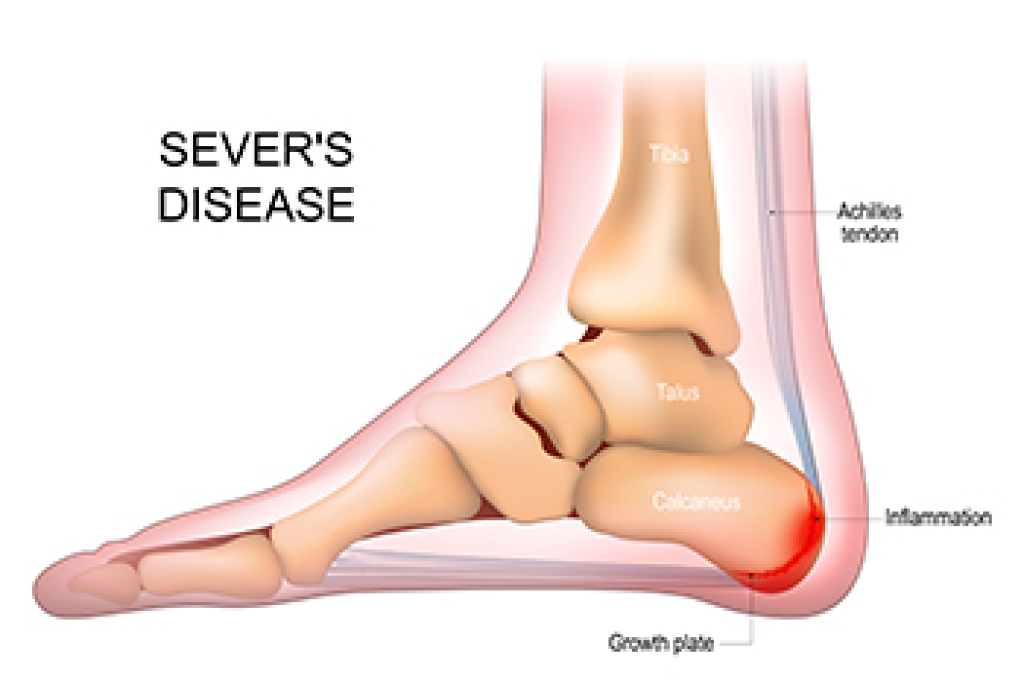
Sever’s disease is a heel condition that can affect children while their bones are still growing. It develops when repeated stress irritates the growth plate at the heel. The Achilles tendon attaches in this area and can place increased pulling force on the developing heel during activity. Symptoms include heel pain, tenderness, and discomfort after running or jumping. A child may also limp or avoid activities that put pressure on the heel.
This condition most affects active children during growth spurts, between 8 and 14 years old. Boys and girls can develop Sever’s disease. Children who participate in sports involving running and jumping may have greater risk because their heels experience impact. Tight calf muscles, increased sports participation, and limited recovery between activities can also contribute. Symptoms may become more noticeable when training intensity increases.
A podiatrist evaluates the child’s symptoms, activity level, and walking pattern. The provider may examine ankle flexibility and calf tightness to understand how stress is affecting the heel. Imaging is sometimes used when symptoms are unusual or another injury needs to be excluded. Treatment is usually conservative and focuses on reducing stress. Care may include activity modification, wearing supportive footwear and heel lifts. Follow-up visits help monitor improvement and adjust treatment.
Relief at home can begin by reducing activities that trigger pain and allowing recovery between active days. Supportive shoes can reduce strain, while gentle stretching may help improve calf flexibility when recommended. Children should not be encouraged to continuplayig sports through heel pain. Most children improve as the growth plate matures, but persistent symptoms require evaluation. If your active child has symptoms of Sever’s disease, it is suggested that you consult a podiatrist for effective relief and management solutions.
Sever's disease often occurs in children and teens. If your child is experiencing foot or ankle pain, see one of our podiatrists from Nashville Family Foot Care. Our practitioners can treat your child’s foot and ankle needs.
Sever’s Disease
Sever’s disease is also known as calcaneal apophysitis, which is a medical condition that causes heel pain I none or both feet. The disease is known to affect children between the ages of 8 and 14.
Sever’s disease occurs when part of the child’s heel known as the growth plate (calcaneal epiphysis) is attached to the Achilles tendon. This area can suffer injury when the muscles and tendons of the growing foot do not keep pace with bone growth. Therefore, the constant pain which one experiences at the back of the heel will make the child unable to put any weight on the heel. The child is then forced to walk on their toes.
Symptoms
Acute pain – Pain associated with Sever’s disease is usually felt in the heel when the child engages in physical activity such as walking, jumping and or running.
Highly active – Children who are very active are among the most susceptible in experiencing Sever’s disease, because of the stress and tension placed on their feet.
If you have any questions, please feel free to contact our office located in Nashville, TN . We offer the newest diagnostic and treatment technologies for all your foot care needs.

Heel cups are cushioned inserts designed to fit around the heel and provide support during standing and walking. They can absorb impact and reduce pressure on sensitive areas beneath the heel. Heel cups may help people experiencing heel pain related to strain, prolonged standing, or increased activity. They fit inside shoes and work with supportive footwear. Because heel pain has several causes, identifying the source is important before choosing treatment.
Heel cups may be recommended for conditions that cause heel discomfort. They can provide cushioning for plantar fasciitis, heel fat pad irritation, and impact-related soreness. Symptoms may include aching, tenderness, or pain during the first steps of the day. Risk factors include prolonged standing, increased activity, and repeated stress. Heel cups may improve comfort, but they do not correct every condition.
A podiatrist can determine whether heel cups are appropriate by reviewing symptoms and examining the feet. The evaluation may include checking heel tenderness, foot alignment, and shoe wear. If heel cups are recommended, the podiatrist can help select the proper size. This foot doctor may suggest wearing supportive shoes or conservative care based on the cause. Follow-up can determine whether the heel cup is improving comfort or whether additional treatment is needed.
Properly fitted heel cups may make walking and standing more comfortable when heel pain is related to pressure or impact. They should fit securely without creating pressure points. Persistent pain should not be ignored when symptoms interfere with activities or continue despite supportive care. Podiatric evaluation can help guide foot care. If you have heel pain and are interested in learning about heel cups for relief, it is suggested that you consult a podiatrist who can discuss the benefits of this type of orthotic with you.
If you are having discomfort in your feet and would like to try orthotics, contact one of our podiatrists from Nashville Family Foot Care. Our practitioners can provide the care you need to keep you pain-free and on your feet.
What Are Orthotics?
Orthotics are inserts you can place into your shoes to help with a variety of foot problems such as flat feet or foot pain. Orthotics provide relief and comfort for minor foot and heel pain but can’t correct serious biomechanical problems in your feet.
Over-the-Counter Inserts
Orthotics come in a wide variety of over-the-counter inserts that are used to treat foot pain, heel pain, and minor problems. For example, arch supports can be inserted into your shoes to help correct overarched or flat feet, while gel insoles are often used because they provide comfort and relief from foot and heel pain by alleviating pressure.
Prescription Orthotics
If over-the-counter inserts don’t work for you or if you have a more severe foot concern, it is possible to have your podiatrist prescribe custom orthotics. These high-quality inserts are designed to treat problems such as abnormal motion, plantar fasciitis, and severe forms of heel pain. They can even be used to help patients suffering from diabetes by treating foot ulcers and painful calluses and are usually molded to your feet individually, which allows them to provide full support and comfort.
If you are experiencing minor to severe foot or heel pain, it’s recommended to speak with your podiatrist about the possibilities of using orthotics. A podiatrist can determine which type of orthotic is right for you and allow you to take the first steps towards being pain-free.
If you have any questions, please feel free to contact our office located in Nashville, TN . We offer the newest diagnostic and treatment technologies for all your foot care needs.
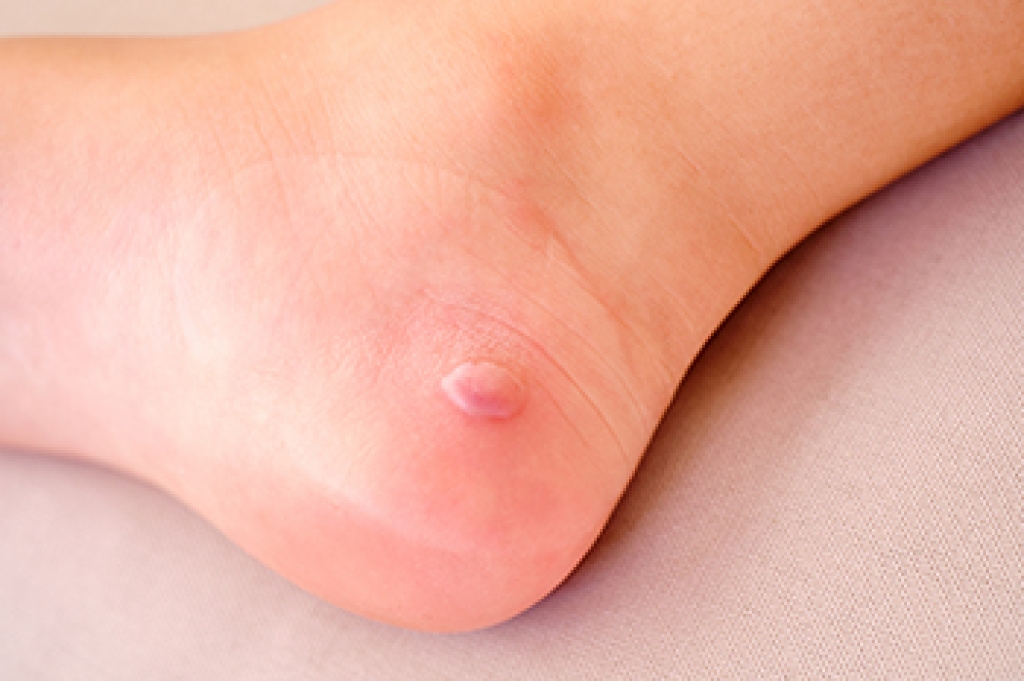
Diabetic foot blisters are fluid-filled areas that develop when skin is damaged by friction, pressure, or irritation. Diabetes can make these injuries more concerning because nerve damage may reduce sensation. A diabetic patient may not notice rubbing until the skin becomes damaged. A blister often looks like a raised bubble containing clear fluid. The surrounding skin may appear red or irritated. A small blister deserves attention because broken skin can become vulnerable to infection.
Symptoms may include a raised bubble, tenderness, or warmth. An open blister can cause drainage and leave raw skin underneath. Common risk factors include diabetic neuropathy, reduced circulation, and repeated pressure. Long periods of walking can increase friction. Previous diabetic foot wounds may also increase concern. Checking your feet every day can help you notice blisters before they become larger or more difficult to heal.
A podiatrist will examine the blister and check circulation, sensation, and possible pressure points. An intact blister may be protected with a suitable dressing while pressure is reduced. If the blister has opened, the podiatrist may carefully clean the area, remove unhealthy tissue when appropriate, and apply wound protection. Footwear may be adjusted to reduce friction. Follow-up visits can help confirm healing and identify the cause of repeated skin irritation.
Do not pop or cut a diabetic foot blister yourself. Damaged skin can create an opening for bacteria and increase infection risk. Keep the area clean and protected while arranging professional evaluation. Watch for worsening redness, warmth, or delayed healing. These changes require prompt medical attention. Good diabetic foot care includes daily inspection and properly fitted shoes. If you have diabetes and have developed a foot blister, it is suggested that you are under the care of a podiatrist who can help you to manage this serious condition.
Blisters may appear as a single bubble or in a cluster. They can cause a lot of pain and may be filled with pus, blood, or watery serum. If your feet are hurting, contact one of our podiatrists of Nashville Family Foot Care. Our practitioners can provide the care you need to keep you pain-free and on your feet.
Foot Blisters
Foot blisters are often the result of friction. This happens due to the constant rubbing from shoes, which can lead to pain.
What Are Foot Blisters?
A foot blister is a small fluid-filled pocket that forms on the upper-most layer of the skin. Blisters are filled with clear fluid and can lead to blood drainage or pus if the area becomes infected.
Symptoms
(Blister symptoms may vary depending on what is causing them)
Prevention & Treatment
In order to prevent blisters, you should be sure to wear comfortable shoes with socks that cushion your feet and absorb sweat. Breaking a blister open may increase your chances of developing an infection. However, if your blister breaks, you should wash the area with soap and water immediately and then apply a bandage to the affected area. If your blisters cause severe pain it is important that you call your podiatrist right away.
If you have any questions, please feel free to contact our office located in Nashville, TN . We offer the newest diagnostic and treatment technologies for all your foot care needs.

Cracked heels develop when the skin surrounding the heel becomes dry and begins to split. Shallow cracks can affect only the outer layer of skin and cause little discomfort. Deeper cracks can become painful and sometimes bleed. Dry skin is an important factor because skin that lacks moisture is less flexible and more likely to split under pressure. Aging can contribute because the skin loses moisture more easily as people get older. Athlete’s foot and eczema can also cause dry or irritated skin that increases the chance of heel cracking.
Certain vitamin deficiencies have also been linked with dry, cracked skin. Vitamin E helps protect skin cells and supports healthy skin. Vitamin B-3, also called niacin, helps the body turn food into energy and supports skin health. Severe vitamin B-3 deficiency can cause dry, scaly skin. Vitamin C supports collagen production, which helps give skin structure and strength. A serious vitamin C deficiency can contribute to dry skin and slow wound healing. However, deficiencies of these vitamins are considered rare in developed countries, so cracked heels do not necessarily indicate a nutritional problem.
A podiatrist can examine cracked heels and determine whether another foot or skin problem is contributing to the condition. An evaluation is especially important when cracks are deep, painful, or bleeding. Patients with diabetes or nerve damage should also have cracked heels evaluated because foot wounds can become more serious. A podiatrist can remove thickened skin safely and recommend treatment to protect damaged areas. Care can also address fungal infections or other conditions affecting the skin. Proper treatment can reduce discomfort and help protect the heels from further damage. If you have developed cracked heels, it is suggested that you schedule an appointment with a podiatrist for a diagnosis and appropriate treatment, which may include prescribed medication.
Cracked heels are unsightly and can cause further damage to your shoes and feet. If you have any concerns, contact one of our podiatrists from Nashville Family Foot Care. Our practitioners can provide the care you need to keep you pain-free and on your feet.
Cracked Heels
Cracked heels appear unappealing and can make it harder for you walk around in sandals. Aside from looking unpleasant, cracked heels can also tear stockings, socks, and wear out your shoes. There are several methods to help restore a cracked heel and prevent further damage.
How Do You Get Them?
Dry skin is the number one culprit in creating cracked heels. Many athletes, walkers, joggers, and even swimmers suffer from cracked heels. Age and skin oil production play a role to getting cracked heels as well.
Promote Healing
Over the counter medicines can help, especially for those that need instant relief or who suffer from chronic dry feet.
Wear Socks – Wearing socks with medicated creams helps lock in moisture.
Moisturizers – Applying both day and night will help alleviate dryness which causes cracking.
Pumice Stones – These exfoliate and remove dead skin, which allows for smoother moisturizer application and better absorption into the skin.
Change in Diet
Eating healthy with a well-balanced diet will give the skin a fresh and radiant look. Your body responds to the kinds of food you ingest. Omega-3 fatty acids and zinc supplements can also revitalize skin tissue.
Most importantly, seek professional help if unsure how to proceed in treating cracked heels. A podiatrist will help you with any questions or information needed.
If you have any questions, please feel free to contact our office located in Nashville, TN . We offer the newest diagnostic and treatment technologies for all your foot care needs.
