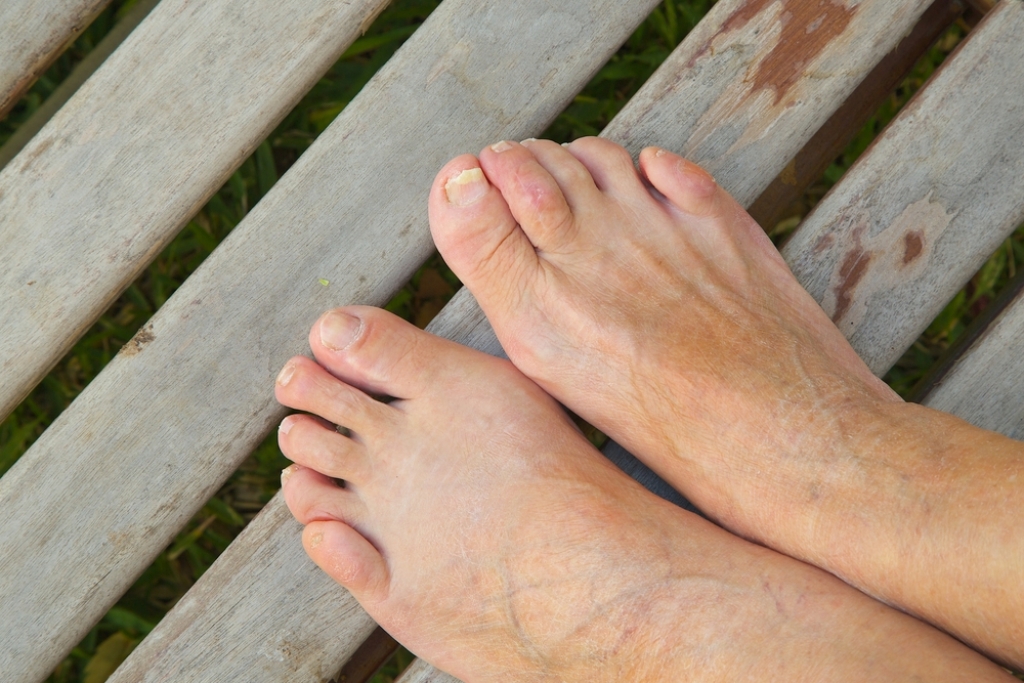
Athlete’s foot is a fungal infection that usually begins between the toes. The fungus thrives in warm, dark, and damp areas. Symptoms include itching, burning, and peeling skin. The affected area can also become red, scaly, or cracked. Small blisters sometimes develop, and the skin between the toes can appear white and soggy. Without proper treatment, the infection can spread across the foot or reach the toenails. It can also pass to other people through contact with infected skin, shared items, or contaminated floors.
Risk rises when feet remain sweaty inside shoes for long periods. Walking barefoot in shared showers, gyms, or locker rooms also increases exposure. Sharing socks, towels, or shoes can spread the fungus. People with diabetes or a weakened immune system face a greater risk of complications. Cracked skin can allow bacteria to enter and cause a more serious infection. Warning signs include increasing redness, warmth, and swelling. Pain, drainage, or a fever also deserves prompt medical attention. Keeping the feet clean and dry can lower the risk of infection. Patients should change socks regularly and allow shoes to dry before wearing them again. Protective sandals can reduce contact with contaminated floors in shared facilities.
A podiatrist can examine the affected skin and determine whether the problem is athlete’s foot or another condition with similar symptoms. Skin conditions like eczema can resemble a fungal infection, so an accurate diagnosis matters. The podiatrist can create a treatment plan based on the infection’s location and severity. Care can also address infected toenails, damaged skin, or signs of a bacterial infection. Patients with diabetes benefit from prompt evaluation because even a small crack can develop into a serious foot problem. A podiatrist can also explain how to reduce moisture, select breathable shoes, and prevent the infection from returning or spreading. If you have symptoms of athlete's foot, it is suggested that you schedule an appointment with a podiatrist for a diagnosis and appropriate treatment.
Athlete’s Foot
Athlete’s foot is often an uncomfortable condition to experience. Thankfully, podiatrists specialize in treating athlete’s foot and offer the best treatment options. If you have any questions about athlete’s foot, consult with one of our podiatrists from Nashville Family Foot Care. Our practitioners will assess your condition and provide you with quality treatment.
What Is Athlete’s Foot?
Tinea pedis, more commonly known as athlete’s foot, is a non-serious and common fungal infection of the foot. Athlete’s foot is contagious and can be contracted by touching someone who has it or infected surfaces. The most common places contaminated by it are public showers, locker rooms, and swimming pools. Once contracted, it grows on feet that are left inside moist, dark, and warm shoes and socks.
Prevention
The most effective ways to prevent athlete’s foot include:
- Thoroughly washing and drying feet
- Avoid going barefoot in locker rooms and public showers
- Using shower shoes in public showers
- Wearing socks that allow the feet to breathe
- Changing socks and shoes frequently if you sweat a lot
Symptoms
Athlete’s foot initially occurs as a rash between the toes. However, if left undiagnosed, it can spread to the sides and bottom of the feet, toenails, and if touched by hand, the hands themselves. Symptoms include:
- Redness
- Burning
- Itching
- Scaly and peeling skin
Diagnosis and Treatment
Diagnosis is quick and easy. Skin samples will be taken and either viewed under a microscope or sent to a lab for testing. Sometimes, a podiatrist can diagnose it based on simply looking at it. Once confirmed, treatment options include oral and topical antifungal medications.
If you have any questions, please feel free to contact our office located in Nashville, TN . We offer the newest diagnostic and treatment technologies for all your foot care needs.